The future is already here!
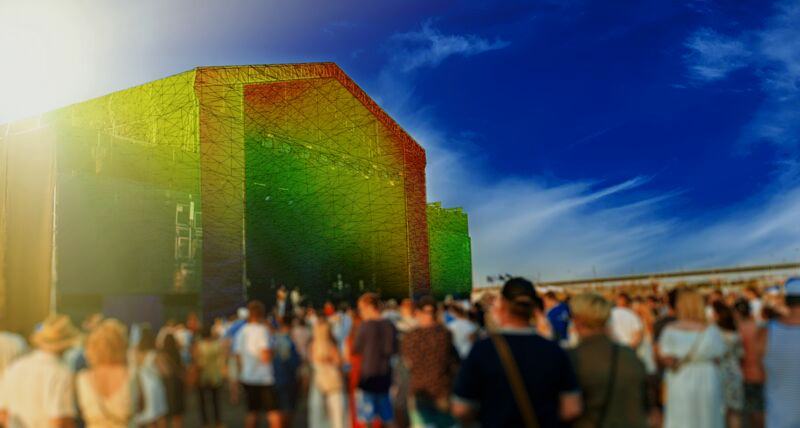
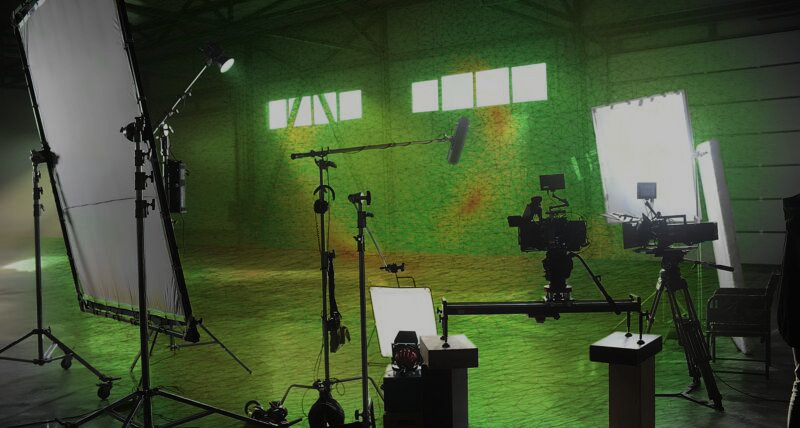
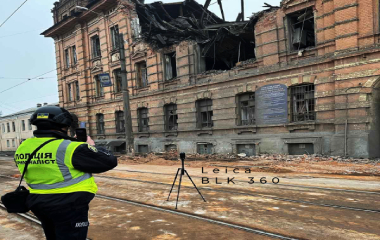
Revolutionary technologies that have changed the world! Virtual Reality (VR) and Augmented Reality (AR) are two different technologies that are changing the way we interact with the environment, allowing us to create a simulation of the real world in a virtual environment using specialized equipment such as VR headsets or motion controllers. To create virtual reality, 3D models of objects and surfaces are used, which can be generated using laser scanning! Therefore, the main difference between VR and AR is that VR creates a completely virtual environment, disconnecting the user from the real world, while AR adds digital elements to the real world, preserving interaction with reality.