
30.10.2022
Road construction is a complex industry that requires a lot of calculations, design, measurements and analysis at every stage, so laser scanning technology is more relevant than ever at all stages of this industry! Before the advent of the latest laser scanning systems, geodetic surveying and other computational and design processes were done using classical methods, which required a lot of time and resources.
Due to the high speed and automation of the process, laser scanning technology leads to a significant increase in surveying productivity. The result of the surveying is a three-dimensional model of the object, or a two-dimensional drawing and provides a number of possibilities! Why did this technology revolutionize the industry?
Due to the high speed and automation of the process, laser scanning technology leads to a significant increase in surveying productivity. The result of the surveying is a three-dimensional model of the object, or a two-dimensional drawing and provides a number of possibilities! Why did this technology revolutionize the industry?
- Operativeness
Some procesess used to take a lot of time, thanks to the automation of the process and the volume of information that the scanning system can provide, it saves time for such work.
- Mobility
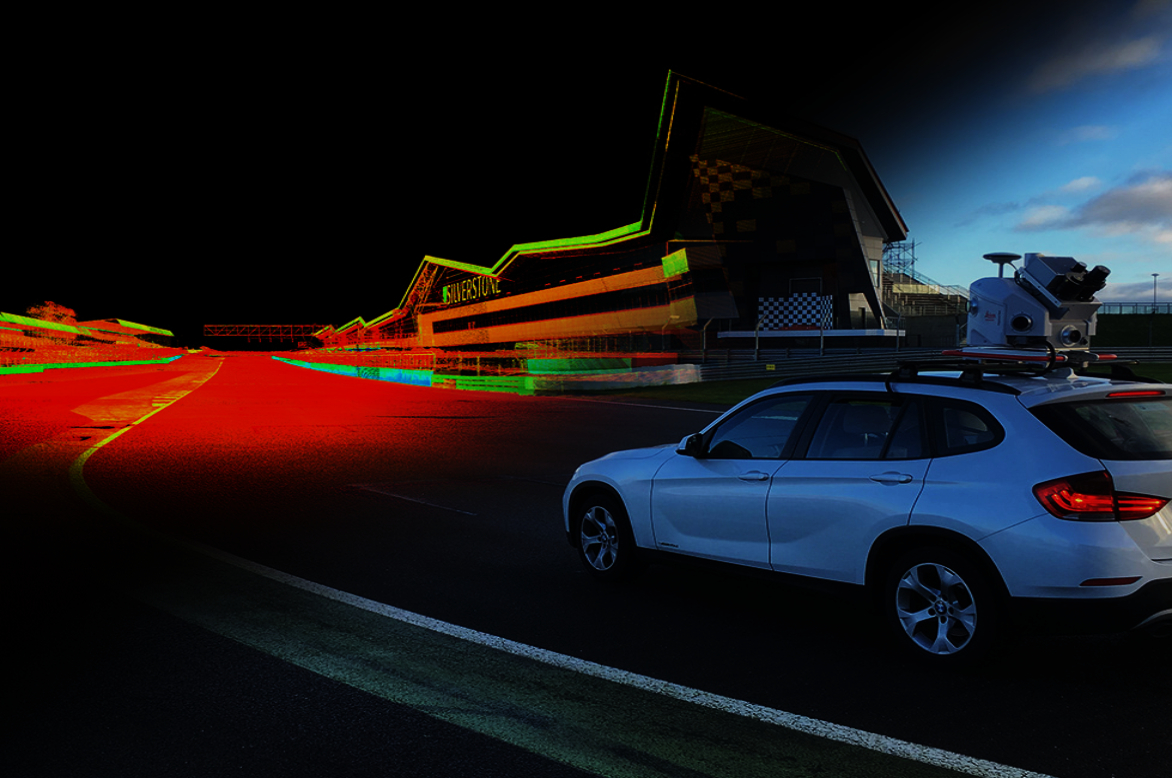
Thanks to mobile scanning systems (car scanners, scanning drones), it becomes possible to cover multi-kilometer areas in a matter of hours, and the possibility of aerial scanning covers all hard-to-reach territories, where it was impossible to make surveying with classical methods!
- Multifunctionality
The resulting database in the form of a three-dimensional cloud of points makes it possible to use it in many directions: for design, monitoring, control, modeling, calculations.
- Security
Since this industry at all stages is connected shoulder to shoulder with the work of heavy machinery and automobile traffic, laser scanning systems in complex areas can scan remotely, without a person needed to be in a dangerous place!
- Uniqueness
No other equipment can match the uniqueness and absence of alternatives offered by the database presented as a point cloud. It is capable of providing data of an unparalleled volume within a remarkably short timeframe.
Read more news...